
Exploring Meru Betiri National Park: A Hidden Gem of East Java’s Wilderness
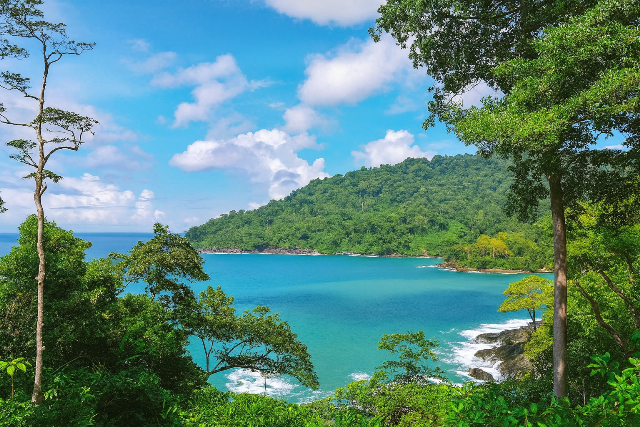
Exploring Meru Betiri National Park – Indonesia is celebrated for its extraordinary natural diversity, yet some of its most authentic treasures remain far from mass tourism. One such destination is Meru Betiri National Park, a vast conservation area stretching across the southern coastline of East Java, between Jember and Banyuwangi. This national park offers a rare blend of dense tropical rainforest, secluded beaches, and remarkable wildlife encounters.
Far removed from the crowds of Bali or Yogyakarta, Meru Betiri provides a tranquil escape for travelers seeking raw nature and genuine adventure. Known for its untouched ecosystems and conservation efforts—especially sea turtle protection—the park is ideal for trekkers, nature lovers, and eco-tourism enthusiasts looking for a meaningful journey into the wild.
Overview and Historical Significance of Meru Betiri National Park
Spanning approximately 58,000 hectares, Meru Betiri National Park plays a crucial role in preserving East Java’s tropical forest ecosystem. The park takes its name from Mount Betiri, the highest peak in the area, rising about 1,223 meters above sea level.
Historically, Meru Betiri holds a special place in Indonesia’s conservation story. It was once recognized as the last known habitat of the Javan Tiger, a species now declared extinct. Although occasional local stories still circulate about sightings, the park today is primarily dedicated to protecting diverse flora and fauna, serving as an ecological buffer between the highlands and the southern coast.
Must-Visit Attractions in Meru Betiri National Park
Due to its immense size, Meru Betiri is home to several standout locations that attract visitors from around the world.
Sukamade Beach: A Global Turtle Conservation Site
Sukamade Beach is undoubtedly the most famous destination within the park. It is internationally known as one of Indonesia’s most important sea turtle nesting grounds. Almost every night, green turtles come ashore to lay their eggs.
Under ranger supervision, visitors can witness this extraordinary natural event and even take part in releasing baby turtles into the ocean during early morning hours—an unforgettable and humbling experience.
Bandealit Beach: Calm Shores and Mangrove Estuaries
Situated on the western side of the park, Bandealit Beach offers a more relaxed atmosphere. Access is easier compared to Sukamade, making it popular for visitors who prefer lighter adventure.
Here, you can enjoy bodyboarding, canoeing through tranquil mangrove rivers, or simply unwinding on the quiet white-sand beach surrounded by lush greenery.
Japanese Cave: A Window into the Past
For travelers interested in history, the Japanese Cave (Gua Jepang) near Bandealit Beach provides a glimpse into World War II relics. Located on a hill roughly 200 meters above sea level, the site combines historical value with sweeping views of the coastline and surrounding forest.
Tropical Rainforest and Wildlife Encounters
Exploring the park itself is an attraction. Meru Betiri boasts impressive biodiversity, including rare plant species such as Rafflesia zollingeriana, along with leopards, civets, deer, monkeys, and a wide variety of birds. Birdwatchers often come in search of hornbills, eagles, and other endemic species.

Exciting Activities to Experience in Meru Betiri
Meru Betiri National Park offers a wide range of nature-based activities, ensuring every visit feels rewarding:
- Sea Turtle Observation at Sukamade Beach
- Rainforest Trekking through dense jungle trails
- Wildlife Photography and Birdwatching
- Camping at designated areas in Sukamade or Bandealit
- River Canoeing through mangrove forests near Bandealit
Each activity allows visitors to connect deeply with the natural environment while supporting conservation efforts.
Routes and Access to Meru Betiri National Park
Reaching Meru Betiri is part of the adventure. Due to rugged terrain, especially near Sukamade, a 4WD vehicle (jeep or trooper) is strongly recommended.
Access from Jember (via Bandealit)
The route passes through Ambulu and Tempurejo. Roads are mostly manageable, though conditions become rocky closer to the park entrance.
Access from Banyuwangi (via Sukamade)
This is the most popular route for turtle conservation tours. Travelers pass through Jajag, Pesanggaran, and Sarongan before navigating plantation roads, river crossings, and uneven tracks. A 4WD vehicle is mandatory for this route.
Entrance Fees, Facilities, and Opening Hours
Before visiting, it’s important to understand the park’s basic logistics:
- Operating Hours: The park is accessible 24 hours for camping visitors, while ticket counters usually operate from 08:00 AM to 04:00 PM.
- Entrance Fees:
- Domestic visitors: approximately IDR 5,000–7,500 (weekday/weekend)
- International visitors: approximately IDR 150,000–225,000
(Prices may change; always verify beforehand.)
- Facilities: Sukamade area offers simple guesthouses and camping grounds. Electricity is limited and mostly solar-powered, and mobile phone signals are generally unavailable—perfect for a digital detox.
Practical Tips for Visiting Meru Betiri
To make the most of your journey, keep these tips in mind:
- Best Time to Visit: Dry season from May to September for safer road conditions.
- Vehicle Preparation: Avoid standard city cars; rent a reliable 4WD jeep.
- Essential Gear: Bring insect repellent, trekking shoes, rain protection, and enough cash.
- Wildlife Etiquette: Stay quiet during turtle observation and never use flash photography.
An Unforgettable Eco-Tourism Experience in East Java
Meru Betiri National Park is more than a travel destination—it is a living conservation area that showcases Indonesia’s natural heritage. From challenging off-road journeys to peaceful dawn moments releasing turtle hatchlings, every experience here fosters a deeper respect for nature.
For travelers seeking authentic eco-tourism in East Java, Meru Betiri National Park offers an adventure filled with discovery, serenity, and lasting memories. Pack your gear, embrace the wilderness, and let Meru Betiri reveal its untamed beauty.




Comments (0)