
How to Repair Car Paint Scratches Chips and Scuffs Safely
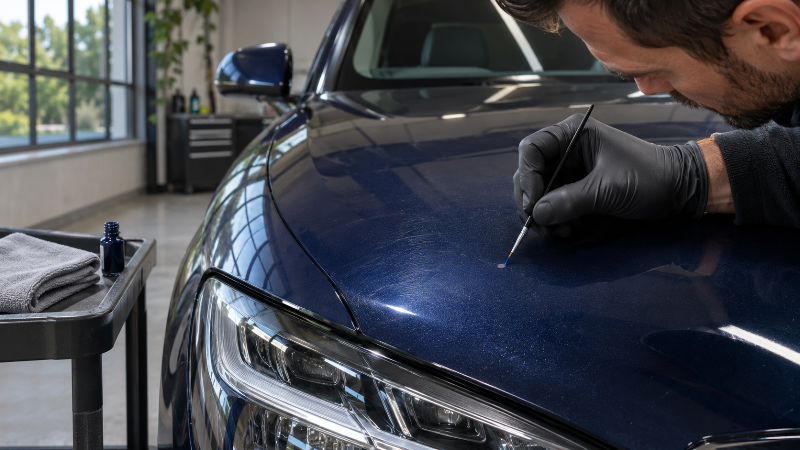
How to Repair Car Paint Scratches Chips and Scuffs Safely – Car paint scratches and chips can spoil a vehicle’s appearance, but not every mark requires professional repainting. Knowing how to repair car paint scratches helps you choose suitable methods and avoid unnecessary expense.
Start by identifying the damage, then follow the appropriate steps for a cleaner, more consistent finish.
Identify the Type of Paint Damage
Most modern automotive finishes contain a protective clear coat, coloured base coat, primer, and underlying body material. The right repair depends on how deeply a scratch penetrates these layers.
A useful first check involves gently running a clean fingernail across the mark. If the nail slides smoothly, the scratch may affect only the clear coat and respond to polishing.
If your nail catches, or you can see primer or bare metal, polishing alone is unlikely to restore it. Exposed metal deserves prompt attention because damaged paint no longer provides its usual corrosion protection.
Gather the Right Car Paint Repair Tools
Before starting, wash the damaged section and examine it in daylight. Keep the work area clean to prevent dirt from creating new scratches during polishing.
Depending on the damage, useful supplies include:
- Microfibre cloths and car shampoo.
- Clear-coat-safe polish or scratch-removal compound.
- Colour-matched touch-up paint and suitable applicators.
- Primer and clear coat, where required by the repair system.
- Protective gloves, safety glasses, and appropriate respiratory protection.
- Fine automotive abrasives for carefully controlled finishing.
Work in a ventilated area and read each product’s safety instructions. Avoid abrasive treatment on hot paint or in direct sunlight unless specifically permitted.
How to Remove Light Scratches From Car Paint
Fine washing marks or branch scratches may affect only the clear coat. A suitable polish may reduce their visibility without adding new paint.
Apply polish to a clean microfibre applicator. Work gently over a small section, following the manufacturer’s instructions, then remove residue with a soft cloth.
Inspect the finish before repeating the process. A machine polisher can work efficiently, but excessive pressure or repeated polishing may remove too much clear coat.
Can T-Cut Fix Deeper Scratches?
T-Cut Original is a cutting compound designed to reduce oxidation, light scratches, and minor paint imperfections. It removes a microscopic amount of the surface rather than replacing missing layers of paint.
For suitable finishes, test an inconspicuous section before applying a small amount to the affected area. Buff as directed on the product label and finish with compatible paint protection.
A scratch extending into the colour coat or primer needs more than abrasive polish. Some tinted products can disguise marks temporarily, but they cannot rebuild missing paint.
Repairing Stone Chips With Touch-Up Paint
Small stone chips may be suitable for a paint pen or carefully applied touch-up paint. Accurate colour matching matters, particularly with metallic or pearlescent finishes.
Find the manufacturer’s paint code on the vehicle identification label or in its documentation. The location varies, but common places include the door opening and glove compartment.
Clean and dry the chip, then remove loose contamination without widening the damaged area. Apply the specified primer when needed, followed by thin layers of matching paint.
Allow each layer to dry according to its instructions before adding more. Apply clear coat if the chosen paint system requires it, and let the repair cure fully before final finishing.
When Sanding or Bodywork Is Necessary
Some repairs benefit from controlled wet sanding, compounding, and polishing after the paint has cured. However, using 2500-grit paper without experience can cut through the surrounding clear coat.
Large scrapes, peeling paint, dents, or exposed metal may require surface preparation, filler, primer, and panel refinishing. A professional body shop is generally the safer choice when structural or extensive cosmetic damage is involved.
Frequently Asked Questions
Can toothpaste remove car scratches?
Household abrasives are not formulated for automotive clear coats. A dedicated car polish offers more predictable results when used correctly.
Does a scratch-removal compound match paint colour?
Ordinary cutting compounds reduce surface defects but do not supply replacement paint. Deep scratches need an appropriate colour-matched repair system.
How long should touch-up paint dry?
Drying and curing times depend on the specific product, paint layers, and conditions. Always follow the manufacturer’s instructions before polishing or exposing the area to harsh treatment.
Keep Your Car’s Finish Looking Its Best
Successful car paint repair begins with identifying damage rather than choosing the strongest abrasive available. Light scratches may polish out, while chips and deeper marks often need paint.
Check the paint code, test products discreetly, and seek professional help when a repair exceeds your experience. Careful preparation can protect both appearance and long-term finish quality.








Comments (0)